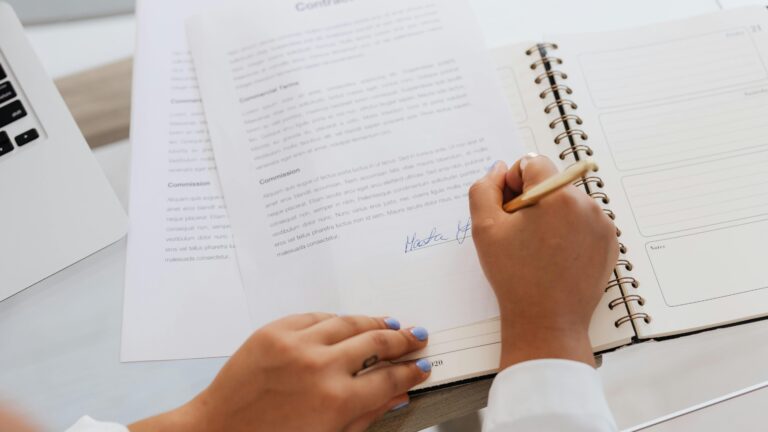
In the legal world, the strength of a defense case often hinges on the quality of the evidence presented. Defense attorneys must meticulously gather, analyze, and present evidence to support their clients and challenge the prosecution’s claims. This process is not only crucial in criminal cases but also in civil litigation, where the burden of proof plays a significant role. From scrutinizing physical evidence to cross-examining witnesses, defense lawyers employ various techniques to ensure their clients receive a fair trial.
Understanding the Role of Evidence in a Defense Case
Evidence serves as the foundation for any legal argument. In criminal cases, the prosecution must prove the defendant’s guilt beyond a reasonable doubt, while the defense works to cast doubt on the prosecution’s claims. Evidence can come in many forms, including physical items, witness testimonies, forensic reports, and digital data. The goal of the defense lawyer is to either introduce exculpatory evidence—evidence that proves the defendant’s innocence—or to discredit the evidence presented by the prosecution.
Types of Evidence Defense Lawyers Gather
Defense attorneys gather several types of evidence to build a compelling case, including:
1. Physical Evidence
- Items related to the case, such as weapons, clothing, fingerprints, or DNA samples, can provide crucial insights.
- Defense teams may employ forensic experts to analyze the authenticity and relevance of the physical evidence.
2. Documentary Evidence
- Official records, contracts, police reports, medical records, and emails can provide context and counter prosecution claims.
- Lawyers may request documentation through subpoenas to ensure access to critical information.
3. Witness Testimonies
- Witness statements can support the defendant’s alibi or provide alternate explanations for the events in question.
- Defense attorneys conduct interviews and depositions to assess credibility and gather useful testimony.
4. Expert Testimonies
- Experts in forensic science, psychology, medicine, or other relevant fields can provide specialized insights that challenge the prosecution’s claims.
- A forensic pathologist, for example, might counter an autopsy report that suggests foul play.
5. Digital Evidence
- In today’s digital age, text messages, phone call logs, social media activity, and surveillance footage can serve as valuable evidence.
- Cybersecurity experts may be consulted to authenticate and interpret digital records.
Methods Defense Lawyers Use to Gather Evidence
To collect and verify evidence effectively, defense attorneys employ several methods:
1. Conducting Independent Investigations
- Defense lawyers often work with private investigators to uncover new facts about the case.
- Investigators may interview witnesses, visit crime scenes, and analyze surveillance footage to find inconsistencies in the prosecution’s narrative.
2. Reviewing Police Reports and Procedures
- Examining police reports helps lawyers identify any procedural errors or biases in the investigation.
- If law enforcement officers failed to follow due process, such as conducting an illegal search, the defense can challenge the admissibility of evidence.
3. Interviewing Witnesses and Cross-Examining Testimonies
- Witness statements are a crucial part of any defense strategy. Defense lawyers interview witnesses to ensure their stories align with the facts of the case.
- During cross-examination, they aim to expose inconsistencies or biases in witness testimonies presented by the prosecution.
4. Utilizing Discovery Procedures
- The discovery process allows defense attorneys to request evidence from the prosecution, ensuring that no crucial information is withheld.
- Depositions and interrogatories help lawyers gather sworn statements from key individuals before trial.
5. Analyzing Forensic and Scientific Evidence
- DNA analysis, toxicology reports, ballistics testing, and fingerprint analysis can provide crucial insights that support the defense.
- Defense attorneys work with forensic experts to challenge the validity of the prosecution’s scientific claims.
6. Examining Surveillance and Digital Records
- Video footage, GPS data, and phone records can serve as alibis or contradict the prosecution’s timeline of events.
- Digital forensics experts help ensure that electronic evidence is not tampered with or misinterpreted.
Challenges in Gathering Evidence
While evidence collection is critical, defense lawyers often face challenges, such as:
1. Restricted Access to Evidence
- Some evidence may be under the control of law enforcement or other entities, requiring formal legal procedures (e.g., subpoenas) to obtain access.
2. Witness Reluctance or Bias
- Witnesses may refuse to cooperate due to fear, loyalty to the prosecution, or personal biases.
- Defense lawyers must carefully navigate these challenges and sometimes rely on private investigators to uncover the truth.
3. Potential Tampering or Misinterpretation of Evidence
- Evidence can sometimes be tampered with, mishandled, or misrepresented, leading to wrongful convictions.
- Defense attorneys must scrutinize every detail to ensure accuracy and integrity.
4. Time Constraints
- Trials often operate under strict timelines, leaving limited time for comprehensive evidence collection and analysis.
- Lawyers must prioritize the most critical evidence while ensuring thorough research.
The Role of Evidence in Court
Once evidence is gathered, defense attorneys must strategically present it in court. This involves:
1. Filing Pre-Trial Motions
- Defense lawyers may file motions to suppress evidence if it was obtained unlawfully.
- Motions in limine can prevent prejudicial evidence from being introduced.
2. Presenting Evidence Effectively
- Lawyers use visual aids, expert testimony, and compelling narratives to help juries and judges understand the significance of the evidence.
- Cross-examining prosecution witnesses can highlight contradictions and cast doubt on the case.
3. Highlighting Reasonable Doubt
- The cornerstone of a defense case is creating reasonable doubt in the minds of the jurors.
- If the prosecution’s evidence is weak or questionable, the defense can argue that the case does not meet the high burden of proof required for conviction.
Gathering evidence is one of the most crucial tasks for a defense lawyer. It requires a deep understanding of legal procedures, investigative skills, and the ability to challenge prosecution claims effectively. By using a combination of physical evidence, witness testimonies, forensic analysis, and digital data, defense attorneys work diligently to build a compelling case for their clients. Despite the challenges, a well-prepared defense can mean the difference between conviction and acquittal, ensuring justice is served fairly.


