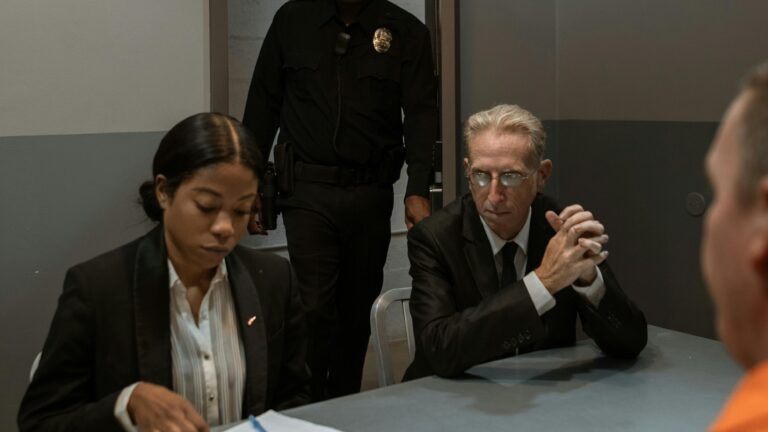
A strong defense case is rarely built from documents and courtroom arguments alone. Witnesses can provide essential information about what happened, what they observed, what they remember, and what they may have misunderstood. For a defense attorney, interviewing witnesses is therefore an important part of preparing a case. These conversations can uncover new facts, identify inconsistencies, clarify timelines, and help attorneys understand how a witness may present before a judge or jury.
Witness interviews are not simply about collecting statements. They are about discovering the complete picture. A careful defense attorney approaches each interview with an open mind, listens closely, tests information against other evidence, and considers how each witness fits into the broader narrative of the case.
Discovering Information Beyond the Initial Report
Police reports, incident reports, and other official records often provide an important starting point, but they may not contain every detail a witness can offer. People may have information that was never included in an initial report or may remember circumstances differently after having time to reflect.
A witness interview gives the defense an opportunity to explore those details. An attorney may learn about the physical environment, conversations that took place, the sequence of events, or circumstances that affected what the witness was able to observe.
This process can reveal information that changes the way the defense understands the case. Something that initially appears straightforward may become more complicated when additional perspectives are considered.
Establishing a Reliable Timeline
Timing can be critical in a criminal defense case. Understanding when people arrived, where they went, what they saw, and what happened before or after an incident can help establish whether different pieces of evidence fit together.
During interviews, attorneys can ask witnesses to explain events in their own words and identify important points in the sequence. Details such as lighting, distance, weather, distractions, conversations, or the amount of time that passed can all affect a person’s observations.
A carefully developed timeline can also expose gaps. If one account places a person somewhere at a particular time while another piece of evidence suggests something different, the discrepancy may deserve further investigation.
Evaluating Witness Credibility
Not every witness remembers events perfectly. Human memory can be influenced by stress, fear, assumptions, conversations with other people, and the passage of time. An interview allows a defense attorney to evaluate how confident a witness actually is and what factors may have influenced their recollection.
Credibility is about more than determining whether someone is telling the truth. It can involve consistency, opportunity to observe, personal knowledge, potential bias, and whether a person’s account is supported by other evidence.
For example, a witness may confidently identify an individual but later acknowledge that the observation occurred at a significant distance or under poor lighting. Such information can be important when evaluating the reliability of an identification.
The purpose of the interview is not necessarily to label a witness as truthful or untruthful. Instead, the attorney seeks to understand the strengths and weaknesses of the testimony.
Finding Inconsistencies
Witness interviews can also reveal differences between what a person says during an interview and what appears in earlier statements, reports, recordings, or testimony.
An inconsistency does not automatically mean that a witness is deliberately lying. People can remember events differently, misunderstand questions, or unintentionally omit information. Nevertheless, significant differences can become important issues during trial preparation.
Defense attorneys carefully examine these differences and compare them with available evidence. When appropriate, inconsistencies may provide a basis for challenging the prosecution’s version of events or demonstrating that reasonable doubt exists.
Identifying Additional Witnesses
One witness may lead the defense to another person who has relevant information. During an interview, an attorney may ask who else was present, who the witness spoke with, or who might have observed another part of the incident.
These leads can expand the investigation. A person who initially seems like a minor source of information could identify someone with direct knowledge of an important event.
Building a complete witness network can be especially useful when the case involves multiple locations, extended timelines, or conflicting accounts.
Understanding the Human Story
Legal cases involve laws and evidence, but they also involve people. Witness interviews can help attorneys understand the circumstances surrounding an accused person and provide context that may not be obvious from official records.
This is where storytelling and credibility become particularly important. In the realm of legal defense, facts matter—but so does the story. A well-crafted, credible narrative gives voice to the accused and offers a deeper understanding of the case beyond what’s found in police reports or exhibits. By humanizing the client, providing context, and engaging the jury’s sense of fairness, the defense can shift the outcome of a trial.
Witnesses may provide information that helps explain relationships, circumstances, misunderstandings, or events that influenced the situation. These details can help the defense attorney develop a more complete and balanced presentation of the case.
Preparing for Cross-Examination
Witness interviews are also valuable for trial preparation. If a witness is expected to testify, the defense needs to understand what that person may say, how confidently they can recall events, and where potential weaknesses exist in their testimony.
This preparation can help an attorney anticipate difficult questions and identify areas requiring additional investigation. It may also reveal testimony that could be challenged through documents, physical evidence, prior statements, or testimony from other witnesses.
Effective preparation does not mean attempting to dictate what a witness should say. Instead, it means understanding the witness’s genuine recollection and preparing to address the testimony accurately and fairly.
Comparing Testimony With Physical Evidence
A witness’s account is only one part of a defense investigation. Attorneys often compare witness statements with photographs, videos, electronic records, forensic evidence, documents, and other available information.
When different forms of evidence support one another, they can strengthen the overall understanding of an event. When they conflict, those differences may become important.
For instance, a witness may describe where an object was located, while photographs or video evidence can establish whether that description is accurate. Similarly, electronic records may confirm or challenge a witness’s recollection of when an event occurred.
This comparison helps attorneys distinguish between assumptions and verifiable facts.
Shaping Defense Strategy
Ultimately, witness interviews can influence nearly every aspect of defense preparation. Information gathered during interviews may help attorneys identify potential defenses, determine which evidence deserves closer examination, locate additional witnesses, or recognize weaknesses in the opposing case.
Interviews can also reveal when a particular line of argument may not be supported by the available evidence. Recognizing that early gives the defense an opportunity to adjust its strategy rather than relying on an assumption that could create problems at trial.
The best defense strategy is grounded in the evidence actually available, not simply in the first version of events presented.
Credibility as the Foundation
Credibility is the bridge between story and persuasion. When a defense attorney learns the truth of their client’s experience, structures it with care, and presents it with authenticity, they do more than defend a case—they defend a person. Being a business leader can also require these same qualities: listening carefully, understanding different perspectives, communicating honestly, and building trust through credible information.
Witness interviews contribute to this process by helping attorneys distinguish between assumptions, recollections, and established facts. They provide an opportunity to understand the people involved and determine how their accounts fit into the evidence.
And in doing so, the defense can uphold one of the most fundamental principles of justice: that everyone deserves to be heard, understood, and believed.
Witness interviews are a foundational component of thorough defense preparation. They can uncover information, clarify timelines, identify inconsistencies, reveal additional witnesses, evaluate credibility, and provide context that may otherwise remain hidden.
Most importantly, interviews help transform disconnected pieces of information into a clearer understanding of what happened. By carefully listening to witnesses and comparing their accounts with the available evidence, defense attorneys can build cases based on facts, context, and credible narratives.
A well-prepared defense does not depend on one statement or one witness. It develops through investigation, careful analysis, and an understanding of how each piece of evidence contributes to the larger story. Witness interviews play a vital role in that process, helping ensure that the defense case is informed by as complete and accurate a picture as possible.
Generated by ChatGPT